
Breast Cancer Treatment Options in Pakistan: What Patients Need to Know
Breast cancer is one of the most common cancers affecting women in Pakistan. Each year,
thousands of women are diagnosed, and many face uncertainty about treatment options,
outcomes, and recovery. Understanding available breast cancer treatments helps patients
and families make informed decisions and seek timely care.
With advances in medical technology and specialised breast surgery, treatment outcomes
have significantly improved when cancer is detected early.
Understanding Breast Cancer Treatment
Breast cancer treatment depends on several factors, including:
- The type and stage of cancer
- Tumour size and location
- Hormone receptor status
- The patient’s overall health and preferences
A breast surgeon plays a central role in guiding patients through diagnosis, surgical
planning, and coordination with oncology teams.
Surgical Treatment Options for Breast Cancer
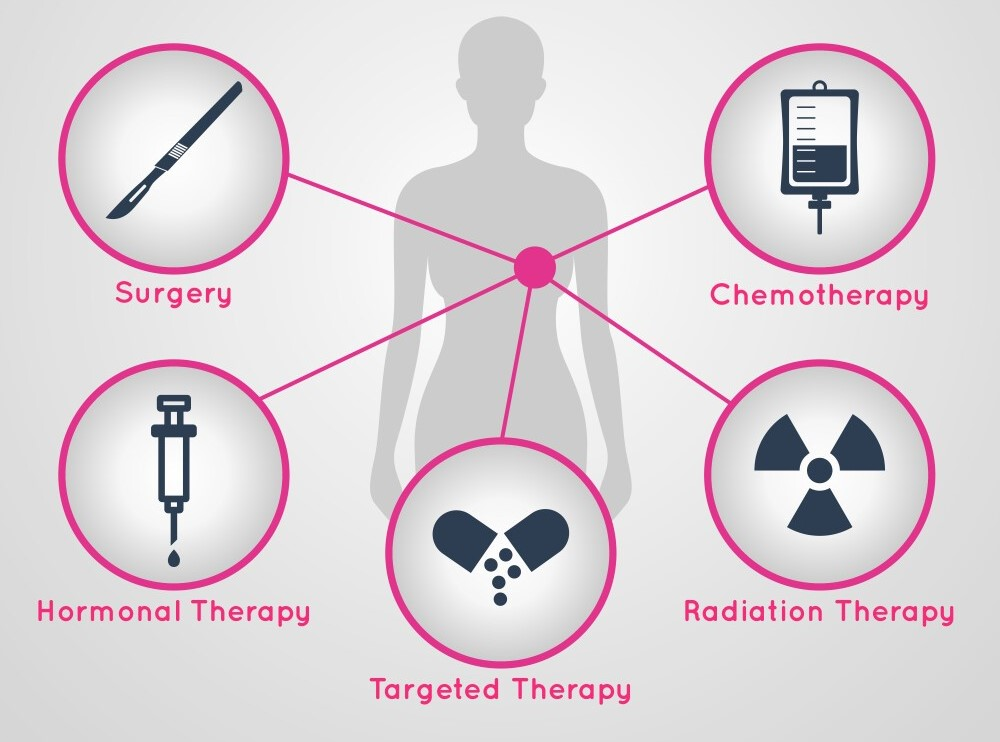
Surgery is often the first step in breast cancer treatment. The main surgical options include:
Breast-Conserving Surgery (Lumpectomy)
This procedure involves removing the cancerous tumour while preserving as much healthy
breast tissue as possible. It is commonly recommended for early-stage breast cancer and is
usually followed by radiation therapy.
Mastectomy
A mastectomy involves removing the entire breast and may be recommended in cases of
larger tumours, multiple cancer sites, or patient preference. Modern surgical techniques
focus on safety while maintaining the best possible cosmetic outcome.
At this stage of treatment planning, consultation with an experienced breast surgeon such as Dr Ahsan Rao helps patients understand surgical choices, expected outcomes, and personalised care options.
Non-Surgical Breast Cancer Treatments
In addition to surgery, many patients require other forms of treatment:
Chemotherapy
Chemotherapy uses medication to destroy cancer cells and may be given before or after
surgery depending on the cancer stage.
Radiation Therapy
Radiation therapy is commonly used after breast-conserving surgery to eliminate remaining
cancer cells and reduce the risk of recurrence.
Hormone Therapy
Some breast cancers respond to hormone therapy, which helps block hormones that
promote cancer growth.
Targeted Therapy
Targeted treatments focus on specific characteristics of cancer cells, improving
effectiveness while reducing side effects.
The Importance of a Multidisciplinary Approach
Breast cancer treatment is most effective when managed by a multidisciplinary medical
team. This includes a breast surgeon, medical oncologist, radiation oncologist, radiologist,
and pathologist working together to create a personalised treatment plan.
This collaborative approach ensures that patients receive comprehensive care at every
stage of treatment.
Choosing the Right Breast Cancer Specialist in Pakistan
Selecting an experienced breast surgeon is critical for successful treatment. Patients should
look for:
- Specialised training in breast surgery
- Experience treating both early and advanced breast cancer
- Access to modern diagnostic and surgical facilities
- Clear communication and compassionate care
Life After Breast Cancer Treatment
Recovery after breast cancer treatment varies from patient to patient. Regular follow-ups,
imaging, and lifestyle adjustments play an important role in long-term health and
recurrence prevention.
With proper medical guidance, many women return to normal, active lives after treatment.
Conclusion
Breast cancer treatment in Pakistan has advanced significantly, offering patients multiple
effective options depending on their condition. Early diagnosis, expert surgical care, and
coordinated treatment planning are key to successful outcomes.
Women experiencing symptoms or diagnosed with breast cancer are encouraged to seek
timely evaluation from a qualified breast surgeon to ensure the best possible care and peace
of mind.
