
Cancer Overview and Definition: Understanding Cancer, Its Types, Symptoms, and Treatment
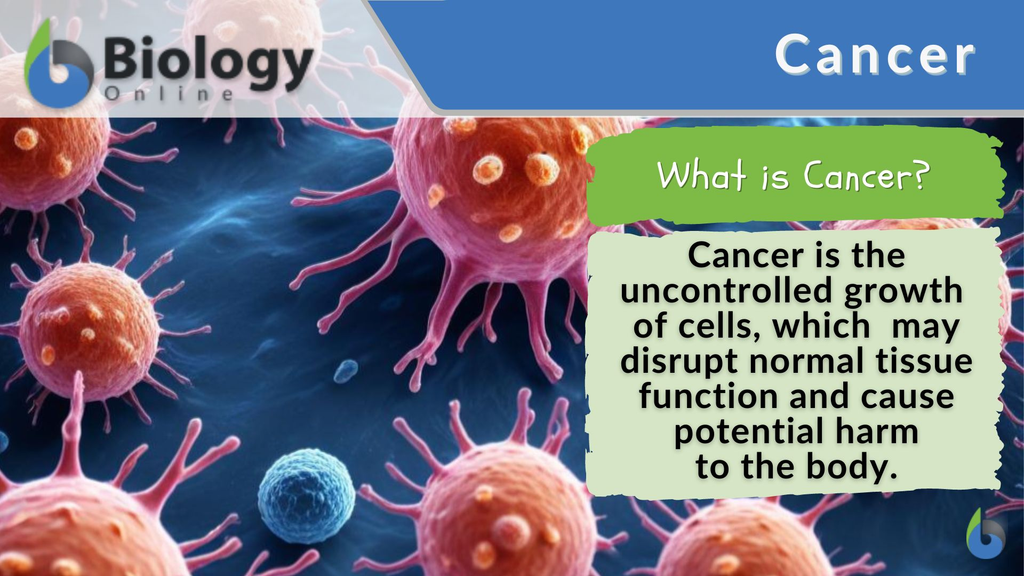
Cancer is one of the most complex groups of diseases affecting people worldwide. It can develop in almost any part of the body when abnormal cells begin to grow and divide uncontrollably. Some cancer cells can invade nearby tissues and spread to other parts of the body, a process known as metastasis.
Although the word “cancer” is often used as if it describes a single disease, cancer actually includes many different diseases. Each type can have different causes, symptoms, growth patterns, diagnostic methods, and treatment options. Understanding the basic definition of cancer and how it develops can help people make informed decisions about their health.
This article provides a detailed cancer overview and definition, including common types, risk factors, symptoms, diagnosis, staging, treatment options, prevention, and the importance of specialized cancer care.
What Is Cancer?
Cancer is a group of diseases in which abnormal cells grow and divide without normal control. Healthy cells normally follow an organized process of growth, division, and death. Cancer can develop when genetic changes interfere with these normal processes.
As abnormal cells continue to multiply, they may form a mass called a tumor. However, not all tumors are cancerous. Benign tumors generally do not invade surrounding tissues or spread to distant organs, whereas malignant tumors can invade nearby tissues and potentially spread throughout the body.
Some cancers, such as leukemia, primarily affect blood-forming tissues and generally do not form solid tumors.
How Does Cancer Develop?
Cancer usually develops through changes in the genes that control how cells grow and behave. These genetic changes can occur for several reasons.
Some changes happen naturally as cells divide. Others can be related to inherited genetic factors, environmental exposures, lifestyle factors, or certain infections.
Over time, abnormal cells may acquire characteristics that allow them to grow more rapidly, avoid normal cell death, invade surrounding tissues, and sometimes spread to distant organs.
The biological process is different for every cancer. This is why cancer treatment and prognosis can vary significantly from one person to another.
Common Types of Cancer
Cancer can develop in almost any organ or tissue. Some cancers are more common than others.
Breast Cancer
Breast cancer develops when abnormal cells in breast tissue grow uncontrollably. It can affect different parts of the breast and may have several biological subtypes.
Treatment depends on factors such as cancer type, stage, hormone receptor status, molecular characteristics, and the patient’s overall health.
Lung Cancer
Lung cancer begins in the tissues of the lungs. Smoking is a major risk factor, although lung cancer can also develop in people who have never smoked.
Possible symptoms include persistent coughing, chest discomfort, shortness of breath, coughing up blood, and unexplained weight loss. Some patients may have few or no symptoms during the early stages.
Colorectal Cancer
Colorectal cancer develops in the colon or rectum. Some cases begin as abnormal growths called polyps, which may develop into cancer over time.
Screening can help detect colorectal cancer or precancerous changes in people who meet recommended screening criteria.
Prostate Cancer
Prostate cancer develops in the prostate gland. Some prostate cancers grow slowly, while others can be more aggressive.
Doctors consider the cancer’s stage, grade, biological characteristics, and the patient’s overall health when deciding on treatment.
Skin Cancer
Skin cancers develop from cells within the skin. Common forms include basal cell carcinoma, squamous cell carcinoma, and melanoma.
Changes in a mole or the appearance of an unusual skin lesion should be assessed by a healthcare professional.
Blood Cancers
Blood cancers include leukemia, lymphoma, and multiple myeloma. These cancers affect blood-forming tissues, blood cells, or cells involved in the immune system and can differ considerably from solid tumors.
What Causes Cancer?
There is no single cause of cancer. Different cancers can have different risk factors and underlying mechanisms.
Factors that may increase the risk of certain cancers include:
- Tobacco use
- Excessive exposure to ultraviolet radiation
- Certain infections
- Alcohol consumption
- Excess body weight
- Physical inactivity
- Certain environmental or occupational exposures
- Family history of cancer
- Inherited genetic changes
- Increasing age
Having a risk factor does not mean that someone will definitely develop cancer. Cancer can also occur in people without an obvious risk factor.
What Are the Symptoms of Cancer?
Cancer symptoms vary according to the type, location, and stage of the disease. Some cancers may cause symptoms early, while others may remain unnoticed for a longer period.
Potential warning signs include:
- Unexplained weight loss
- Persistent tiredness
- An unexplained lump or swelling
- Unusual bleeding
- Persistent pain
- Changes in bowel or bladder habits
- Long-lasting cough
- Difficulty breathing
- Difficulty swallowing
- Changes in a mole or skin lesion
- Persistent fever or night sweats
These symptoms do not necessarily mean that a person has cancer. Many other health conditions can cause similar symptoms. However, persistent or unexplained symptoms should be discussed with a healthcare professional.
How Is Cancer Diagnosed?
Cancer diagnosis usually involves several steps. The exact process depends on the suspected cancer.
Medical History and Physical Examination
Doctors begin by reviewing symptoms, medical history, family history, and relevant risk factors. A physical examination may also help identify abnormalities.
Imaging Tests
Imaging allows doctors to examine organs and tissues inside the body. Depending on the situation, tests may include:
- X-rays
- Ultrasound
- CT scans
- MRI scans
- PET scans
These tests can help locate suspicious areas and determine the extent of disease.
Biopsy
A biopsy involves taking a sample of tissue or cells for examination under a microscope. Pathologists can determine whether cancer cells are present and identify important characteristics of the tumor.
For many cancers, a biopsy is essential for confirming the diagnosis.
Laboratory and Molecular Testing
Blood tests and other laboratory investigations may provide additional information about a patient’s health. For selected cancers, molecular and biomarker tests can identify characteristics that may influence treatment decisions.
What Is Cancer Staging?
Cancer staging describes how extensive the disease is within the body.
Depending on the type of cancer, doctors may consider:
- The size and location of the primary tumor
- Whether nearby lymph nodes are involved
- Whether the cancer has spread to distant organs
Staging helps doctors understand the extent of cancer and develop an appropriate treatment strategy.
Different cancers use different staging systems, so a particular stage does not have exactly the same meaning across every cancer type.
What Is Metastatic Cancer?
Metastasis refers to the spread of cancer from its original location to another part of the body.
Cancer cells can travel through the bloodstream or lymphatic system and establish tumors in distant organs.
For example, if breast cancer spreads to the liver, the disease is still called metastatic breast cancer rather than liver cancer.
Metastatic cancer can require systemic treatments that reach cancer cells throughout the body.
Cancer Treatment Options
Cancer treatment depends on the type and stage of cancer, its biological characteristics, the patient’s general health, and individual treatment goals.
Common treatment approaches include surgery, chemotherapy, radiation therapy, immunotherapy, targeted therapy, and hormone therapy. Some patients receive one treatment, while others require a combination.
Surgery
Cancer surgery involves removing a tumor or cancerous tissue. It may be used when a cancer is localized or as part of a combination treatment plan.
Chemotherapy
Chemotherapy uses medicines that destroy cancer cells or interfere with their ability to grow and divide. It may be used before surgery, after surgery, or for cancers that have spread.
Radiation Therapy
Radiation therapy uses high-energy radiation to damage cancer cells. It may be used to treat a tumor, reduce the risk of recurrence, or relieve symptoms caused by cancer.
Immunotherapy
Immunotherapy helps the body’s immune system recognize and fight cancer cells. It has become an important treatment option for certain cancers.
Targeted Therapy
Targeted therapies are designed to act on specific molecules or biological changes that help cancer cells grow or survive.
Molecular and biomarker testing can sometimes help doctors determine whether a patient may benefit from a particular targeted treatment.
Hormone Therapy
Some cancers depend on hormones to grow. Hormone therapy can reduce hormone activity or block its effects and may be used for certain breast and prostate cancers.
Stem Cell Transplantation
Hematopoietic stem cell transplantation can be used for selected blood cancers and certain blood or immune disorders. It can help restore the body’s blood-forming system following intensive treatment.
Why Is Cancer Treatment Personalized?
Cancer treatment cannot be approached in exactly the same way for every patient. Even people with the same general cancer type may have tumors with different biological characteristics.
Doctors may consider:
- Cancer type and subtype
- Stage
- Tumor location
- Pathology results
- Molecular characteristics
- Biomarker findings
- Overall health
- Previous treatment
- Treatment goals
A multidisciplinary team may work together to determine the most appropriate treatment plan.
The Importance of Early Cancer Detection
Early detection can be important because some cancers are easier to treat when they are identified before they have spread extensively.
Cancer screening is designed to identify certain cancers or precancerous changes before symptoms develop. Screening recommendations vary according to cancer type and individual risk.
Common screening programs may involve tests for breast, cervical, colorectal, and lung cancers in people who meet specific eligibility criteria.
Not every cancer has an effective screening test, so people should discuss appropriate screening with their healthcare provider.
Can Cancer Be Prevented?
Not every cancer can be prevented. However, certain lifestyle choices and preventive measures can reduce the risk of developing some cancers.
Helpful measures include:
- Avoiding tobacco products
- Limiting alcohol consumption
- Maintaining a healthy body weight
- Staying physically active
- Protecting the skin from excessive UV exposure
- Following recommended vaccination programs
- Eating a balanced diet
- Following appropriate cancer screening recommendations
- Discussing significant family cancer history with a healthcare professional
Prevention strategies should be adapted to an individual’s age, medical history, and risk factors.
What Is a Multidisciplinary Approach to Cancer Care?
Cancer can involve multiple aspects of healthcare, so treatment often requires cooperation between different specialists.
A multidisciplinary cancer team may include:
- Medical oncologists
- Radiation oncologists
- Surgical oncologists
- Pathologists
- Radiologists
- Nuclear medicine specialists
- Specialized nurses
- Rehabilitation professionals
- Other healthcare specialists
Working as a team can help specialists combine information from imaging, pathology, molecular testing, and clinical examinations when developing a treatment plan.
Cancer Care at Liv Hospital
Liv Hospital provides specialized healthcare services for patients with different types of cancer. Its cancer services bring together multiple medical specialties to support diagnosis, treatment, and follow-up care.
The hospital’s dedicated Cancer department provides information and services related to cancer diagnosis and treatment, including surgery, chemotherapy, radiation therapy, immunotherapy, targeted treatments, and hormone therapy where medically appropriate. (int.livhospital.com)
Liv Hospital describes a multidisciplinary approach in which specialists can work together to evaluate each patient’s cancer and develop an individualized treatment strategy.
Because every cancer is different, patients should receive a professional medical evaluation before selecting a treatment approach.
Frequently Asked Questions About Cancer
What is the simple definition of cancer?
Cancer is a group of diseases in which abnormal cells grow and divide without normal control. Some cancer cells can invade nearby tissues and spread to distant parts of the body. (cancer.gov)
Is cancer one disease?
No. Cancer includes many different diseases that can develop in different organs and tissues. Each type may have its own characteristics and treatment options.
Can cancer spread to other organs?
Yes. Some cancers can spread through the bloodstream or lymphatic system. This process is called metastasis.
Does every tumor mean cancer?
No. Tumors can be benign or malignant. Benign tumors generally do not invade nearby tissues or spread to distant organs, while malignant tumors are cancerous.
Does every cancer patient need chemotherapy?
No. Treatment depends on the specific cancer, its stage, biological characteristics, and the patient’s health. Some patients may need surgery, radiation, immunotherapy, targeted therapy, hormone therapy, chemotherapy, or a combination.
Which doctors treat cancer?
Cancer care may involve several specialists, including medical oncologists, radiation oncologists, surgical oncologists, pathologists, radiologists, and other healthcare professionals.
Conclusion
Cancer is a complex group of diseases that develops when abnormal cells grow and divide without normal control. It can affect almost any part of the body, and some cancers can invade nearby tissues or spread to distant organs.
Because cancer is not a single disease, diagnosis and treatment must be tailored to the individual. Modern cancer care can include surgery, chemotherapy, radiation therapy, immunotherapy, targeted therapy, hormone therapy, and other specialized treatments.
Early evaluation of unusual or persistent symptoms, appropriate screening, healthy lifestyle choices, and timely medical care can all contribute to better cancer management.
