
Orthopedic Overview and Definition: Understanding Orthopedic Care
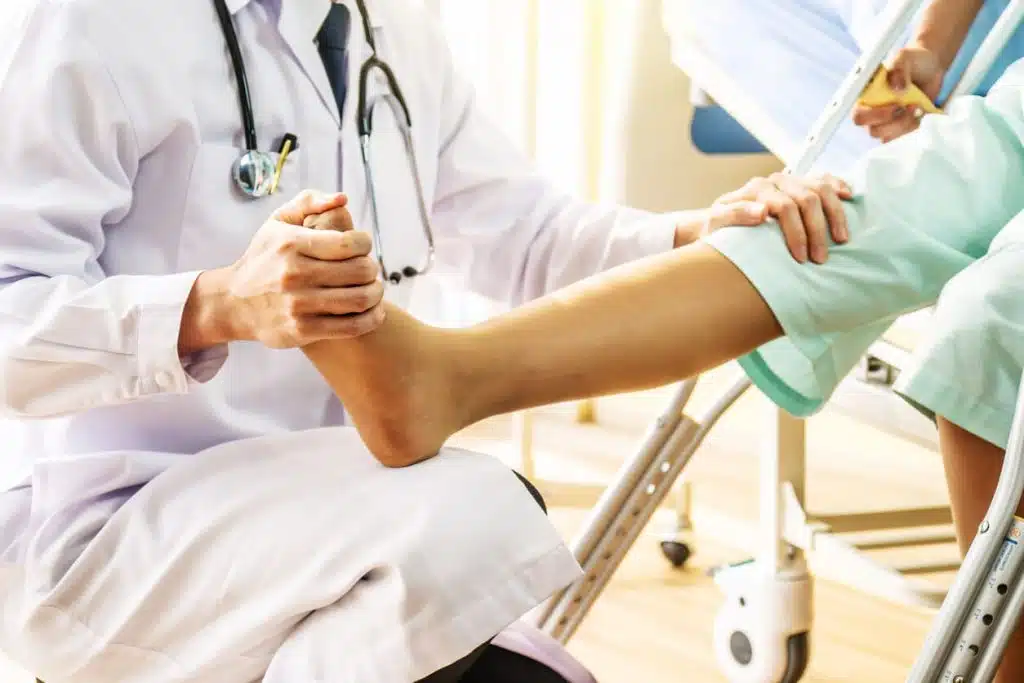
Orthopedics is an important branch of medicine that focuses on the health of the musculoskeletal system. This system includes the bones, joints, muscles, ligaments, tendons, cartilage, and related structures that help the body maintain stability and movement. Orthopedic conditions can affect people of all ages and may result from injuries, aging, repetitive activities, congenital conditions, or degenerative changes.
From a simple sports injury to a complicated fracture or long-term joint condition, orthopedic problems can significantly affect mobility and quality of life. Modern orthopedic care combines accurate diagnosis, nonsurgical treatment, surgery when necessary, and rehabilitation to help patients reduce pain and regain function.
What Is Orthopedics?
Orthopedics is the medical specialty concerned with the prevention, diagnosis, treatment, and rehabilitation of conditions affecting the musculoskeletal system.
The musculoskeletal system provides structural support to the body and allows people to stand, walk, run, lift objects, and perform everyday activities. When bones, joints, muscles, ligaments, or tendons become damaged or diseased, normal movement can become difficult.
Orthopedic specialists, also known as orthopedists or orthopedic surgeons, can provide both nonsurgical and surgical care. Treatment may include physical therapy, medication, injections, braces, rehabilitation, minimally invasive procedures, or surgery, depending on the patient’s condition.
What Does the Musculoskeletal System Include?
The musculoskeletal system consists of several structures that work together to provide movement and stability.
Bones
Bones form the framework of the body. They provide support, protect internal organs, and work with muscles and joints to enable movement.
Joints
Joints connect two or more bones and allow different types of movement. Major joints include the knees, hips, shoulders, elbows, wrists, and ankles.
Muscles
Muscles produce the force needed for movement. They also help maintain posture and provide stability around joints.
Ligaments
Ligaments are strong bands of connective tissue that connect bones to one another. They help stabilize joints and prevent excessive movement.
Tendons
Tendons connect muscles to bones. When a muscle contracts, the tendon transfers that force to the bone, helping produce movement.
Cartilage
Cartilage is a smooth, flexible tissue found in several parts of the body, particularly around joints. It helps reduce friction and allows bones to move smoothly.
Problems affecting these structures can lead to pain, swelling, stiffness, weakness, instability, and reduced mobility.
Common Orthopedic Conditions
Orthopedic specialists treat a wide variety of musculoskeletal problems. Some develop gradually, while others occur suddenly because of injuries.
Arthritis
Arthritis can cause pain, stiffness, swelling, and reduced joint movement. Osteoarthritis is one of the common conditions managed within orthopedic care and frequently affects weight-bearing joints such as the knees and hips.
Depending on the severity, treatment may involve exercise, physical therapy, medication, injections, lifestyle changes, or joint replacement.
Fractures
A fracture occurs when a bone breaks or develops a crack. Fractures can result from falls, sports injuries, road accidents, or other trauma. Osteoporosis can also increase the risk of certain fractures.
Treatment depends on the location and severity of the fracture. Some fractures can be treated with casts or braces, while more complicated fractures may require surgical fixation.
Sports Injuries
Athletes and physically active individuals can experience injuries involving muscles, tendons, ligaments, cartilage, and bones.
Common sports injuries include:
- Sprains
- Muscle strains
- Ligament tears
- Tendon injuries
- Meniscus injuries
- Dislocations
- Stress fractures
- Rotator cuff injuries
Appropriate diagnosis and rehabilitation are important for a safe return to activity.
Back and Spine Conditions
Orthopedic care can also involve various spinal problems, including certain disc disorders, spinal stenosis, scoliosis, and chronic back conditions.
Treatment depends on the underlying cause and may range from physical therapy and medication to specialized procedures or surgery in selected cases.
Tendon and Ligament Problems
Overuse, repetitive movement, sudden trauma, and sports activities can cause tendon or ligament injuries. These conditions may lead to pain, weakness, swelling, or instability.
Early assessment can help determine the extent of the injury and guide appropriate treatment.
What Does an Orthopedic Doctor Do?
An orthopedic doctor evaluates and treats problems involving the musculoskeletal system. The first appointment usually begins with a discussion about symptoms, previous injuries, medical history, lifestyle, and physical activities.
The doctor may then perform a physical examination to assess:
- Joint movement
- Muscle strength
- Stability
- Swelling
- Tenderness
- Flexibility
- Alignment
- Walking pattern or gait
If additional information is required, imaging or other diagnostic tests may be recommended.
How Are Orthopedic Problems Diagnosed?
Accurate diagnosis helps doctors determine the most appropriate treatment.
X-Ray
X-rays are commonly used to examine bones and joints. They can help identify fractures, changes associated with arthritis, bone abnormalities, and joint alignment.
MRI
Magnetic resonance imaging (MRI) provides detailed images of soft tissues as well as bones. It can be particularly useful for evaluating ligaments, tendons, cartilage, muscles, and spinal discs.
CT Scan
CT scans provide detailed cross-sectional images and can be especially helpful when evaluating complex fractures or certain bone conditions.
Ultrasound
Musculoskeletal ultrasound can help examine certain muscles, tendons, and other soft tissues. It may also be used to guide selected medical procedures.
Physical Examination
A physical examination remains an important part of orthopedic diagnosis. Doctors can often learn a great deal about a condition by assessing movement, strength, stability, swelling, and pain.
Orthopedic Treatment Options
Orthopedic treatment is selected according to the diagnosis, severity of the condition, age, general health, activity level, and individual goals.
Physical Therapy
Physical therapy can improve strength, flexibility, balance, and range of motion. It is commonly used after injuries and surgery and can also help people manage certain long-term conditions.
Medication
Depending on the condition, doctors may recommend medicines to manage pain or inflammation. Patients should use medication according to professional medical advice.
Braces and Splints
Braces, splints, and other orthopedic supports can provide stability and protect an injured joint or limb while it heals.
Injections
Certain joint and soft-tissue conditions may be treated with injections. The type of injection depends on the diagnosis and individual circumstances.
Activity Modification
Changing activities that place excessive stress on an injured area can sometimes help reduce symptoms and support recovery.
Surgery
Surgery may be considered when conservative treatment is not sufficient or when the injury or structural problem requires surgical correction.
Common orthopedic procedures include:
- Arthroscopy
- Fracture fixation
- Ligament reconstruction
- Tendon repair
- Joint replacement
- Corrective bone surgery
- Selected spine procedures
Liv Hospital describes orthopedic treatment as ranging from conservative care to minimally invasive procedures and major reconstructive surgery when clinically appropriate.
What Is Orthopedic Surgery?
Orthopedic surgery involves procedures designed to repair, reconstruct, or replace damaged parts of the musculoskeletal system.
For example, a surgeon may stabilize a broken bone using plates, screws, rods, or other fixation devices. In severe joint damage, joint replacement may be considered.
Arthroscopy is another orthopedic procedure that uses small incisions and specialized instruments to examine or treat certain joint problems.
Surgery is not automatically required for every orthopedic condition. Doctors generally consider the severity of the problem, symptoms, previous treatment, and expected benefits before recommending an operation.
Importance of Rehabilitation in Orthopedics
Rehabilitation is an essential part of many orthopedic treatment plans. It can help patients restore movement, strength, flexibility, balance, and everyday function.
Depending on the condition, rehabilitation may include:
- Range-of-motion exercises
- Strength training
- Flexibility exercises
- Balance training
- Walking or gait training
- Functional exercises
- Gradual return to sports or physical activity
After orthopedic surgery, rehabilitation may take weeks or months depending on the procedure and the patient’s recovery. Following the recommended rehabilitation program can help support a safe return to normal activities.
When Should You See an Orthopedic Specialist?
Some minor aches may improve with rest and appropriate home care. However, persistent or severe symptoms should be evaluated by a healthcare professional.
You may consider an orthopedic consultation if you experience:
- Persistent bone or joint pain
- Repeated swelling
- Difficulty moving a joint
- Joint instability
- Persistent back or neck pain
- Difficulty walking
- Pain following an injury
- Reduced strength or mobility
- Repeated sports injuries
- Suspected fracture
- A visible change in the shape or alignment of a joint
A significant injury, especially one involving severe pain, deformity, inability to bear weight, or loss of normal limb function, may require prompt medical assessment.
How Can You Protect Your Orthopedic Health?
Taking care of your musculoskeletal system can support mobility and reduce the risk of certain injuries.
Useful habits include:
- Staying physically active
- Maintaining a healthy weight
- Building muscle strength gradually
- Warming up before strenuous exercise
- Using correct exercise techniques
- Wearing suitable protective equipment during sports
- Maintaining good posture
- Using safe lifting techniques
- Avoiding excessive repetitive stress
- Following rehabilitation recommendations after injuries
A balanced diet and adequate nutrition also support overall bone and muscle health.
Orthopedic Care at Liv Hospital
Liv Hospital provides specialized medical services for a broad range of orthopedic and musculoskeletal conditions.
Its dedicated Orthopedics department focuses on the diagnosis, treatment, and rehabilitation of conditions involving bones, joints, muscles, ligaments, and tendons. Liv Hospital describes treatment options ranging from conservative care and physical therapy to arthroscopy, fracture fixation, joint replacement, ligament reconstruction, and selected spine procedures.
The orthopedic department also covers specialized areas such as joint reconstruction, sports medicine, spine care, hand and upper-extremity treatment, foot and ankle care, orthopedic trauma, and pediatric orthopedics.
A personalized treatment plan can help ensure that care is matched to the patient’s specific diagnosis, symptoms, health status, and recovery goals.
Frequently Asked Questions About Orthopedics
What is the definition of orthopedics?
Orthopedics is a medical specialty focused on the prevention, diagnosis, treatment, and rehabilitation of conditions affecting the musculoskeletal system, including bones, joints, muscles, ligaments, and tendons.
What does an orthopedic doctor treat?
An orthopedic doctor can treat conditions such as fractures, arthritis, sports injuries, ligament and tendon problems, joint disorders, and various spinal and musculoskeletal conditions.
Does every orthopedic problem require surgery?
No. Many orthopedic conditions can be treated without surgery through physical therapy, exercise, medication, braces, injections, and activity modification. Surgery is generally considered when it is medically appropriate.
What tests are used to diagnose orthopedic conditions?
Depending on the condition, doctors may use X-rays, MRI scans, CT scans, ultrasound, physical examinations, and other diagnostic tests.
How long does orthopedic recovery take?
Recovery varies according to the condition, treatment, procedure, overall health, and rehabilitation plan. Minor injuries may improve within weeks, while major orthopedic surgery may require several months of rehabilitation.
Conclusion
Orthopedics is a broad medical specialty dedicated to maintaining and restoring the health and function of the musculoskeletal system. It covers conditions affecting bones, joints, muscles, ligaments, tendons, cartilage, and the spine.
From fractures and sports injuries to arthritis and joint degeneration, orthopedic problems can affect people at any stage of life. Modern care provides a wide range of treatment options, including physical therapy, medication, supportive devices, minimally invasive procedures, and surgery when necessary.
Early evaluation of persistent pain, swelling, stiffness, or mobility problems can help identify the underlying condition and guide appropriate treatment. For more information about orthopedic diagnosis, treatment, and rehabilitation, visit Liv Hospital and explore its dedicated Orthopedics services.
