
Enhancing Creative Output: AI as a Collaborative Productivity Partner
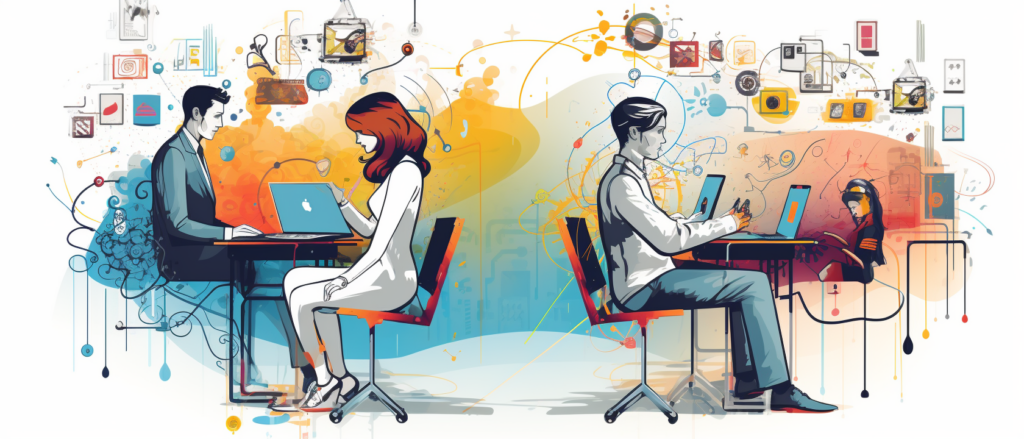
A common misconception is that AI is only for data and spreadsheets; in reality, some of its most profound impacts are in the creative sectors. The primary purpose of read on our website productivity-centric creative tools is to act as a collaborative partner that helps users overcome “blank page” syndrome. These tools are designed to assist in the generative stages of work—brainstorming titles, outlining narratives, or suggesting visual concepts. By providing a sophisticated starting point, AI allows creators to spend more time on the “refining” and “curating” phases, which are the true hallmarks of human artistic genius.
The target audience for these collaborative tools includes content writers, graphic designers, marketing strategists, and video editors. These professionals are often under pressure to produce high volumes of high-quality content on tight deadlines. AI platforms solve this by acting as a high-speed draft engine. For instance, a copywriter can use AI to generate ten headlines in the time it once took to write one, allowing them to select and perfect the best option. This synergy between human taste and machine speed leads to a massive increase in total creative volume without a corresponding drop in quality.
The benefits of using AI in the creative process are rooted in experimentation and velocity. AI allows a creator to test radical ideas instantly—such as “What would this ad look like in a cyberpunk style?”—without committing hours of manual design time. This encourages a more adventurous and iterative approach to creativity. Furthermore, AI can handle the mechanical aspects of creative work, such as basic video editing, image upscaling, or grammar checking, ensuring that the final output is polished and professional. This automation allows small creative teams to compete with large agencies in terms of output and technical finish.
Usage involves a “human-in-the-loop” workflow where the professional provides the initial “prompt” or creative brief. The AI then generates several variations, which the human creator then edits, combines, and refines. This iterative process ensures that the final work maintains a unique human voice and emotional resonance while benefiting from the machine’s vast dataset. For example, a designer might use AI to generate a series of unique textures for a project, then manually apply them to their own custom illustration. To see how these creative efficiencies are being used to generate persuasive shopping experiences, you should visit the Top Tools for E-Commerce for more information.