
Stem Cell Overview and Definition: Understanding Stem Cells and Their Medical Potential
Stem cells are a unique type of cell that has become an important subject in modern medicine and biological research. Unlike most mature cells, stem cells can renew themselves and, depending on their type, develop into specialized cells. These characteristics make them valuable for understanding human development, studying diseases, and exploring new approaches to tissue repair and regenerative medicine.
The field of stem cell science is broad. Some stem cell-based treatments are already established for specific medical conditions, while many other applications are still being investigated. Therefore, understanding what stem cells are, how they work, and where they may be used is important for anyone interested in regenerative medicine.
This article provides a comprehensive stem cell overview and definition, including different types of stem cells, their sources, applications, treatment approaches, safety considerations, and their potential role in the future of healthcare.
What Are Stem Cells?
Stem cells are cells that have the ability to self-renew and produce specialized cell types. Self-renewal allows them to create more cells with stem-cell characteristics, while differentiation allows them to develop into cells with specific functions.
Most mature cells in the body have a particular role. For example, nerve cells transmit signals, muscle cells support movement, and red blood cells carry oxygen. Stem cells are less specialized and can serve as a source of new cells in particular biological environments.
The ability of stem cells to renew and differentiate is the foundation of their importance in research and medicine.
How Do Stem Cells Work?
Stem cells respond to signals from their surrounding environment. These signals can influence whether a cell remains a stem cell or begins to develop into a specialized cell.
When a stem cell divides, the resulting cells can follow different pathways depending on the type of stem cell and the biological signals involved. Some may maintain stem-cell properties, while others may become specialized cells.
This process is carefully regulated in healthy tissues. Researchers are studying these mechanisms to better understand tissue development, repair, and disease.
Key Characteristics of Stem Cells
Two characteristics are particularly important when defining stem cells.
Self-Renewal
Self-renewal is the ability of a stem cell to divide and produce cells that retain stem-cell properties. This allows a stem cell population to be maintained over time.
Differentiation
Differentiation is the process through which stem cells develop into more specialized cell types. The range of cells that a stem cell can produce depends on its potency.
Some stem cells can produce many different cell types, while others are more restricted and primarily produce cells associated with a particular tissue or biological system.
Types of Stem Cells
Stem cells are generally categorized according to their origin and developmental potential.
Embryonic Stem Cells
Embryonic stem cells are obtained from early-stage embryos and are pluripotent. This means they can develop into many types of specialized cells in the human body.
Their broad developmental potential makes them useful for scientific research. However, their use also involves important ethical and regulatory considerations.
Adult Stem Cells
Adult stem cells, also known as somatic stem cells, are found in various tissues after development.
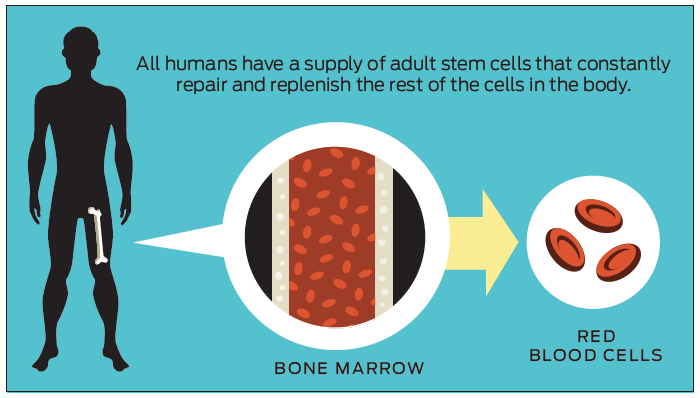
A well-known example is the hematopoietic stem cell, which produces different types of blood cells. Adult stem cells generally have a more limited differentiation potential than embryonic stem cells.
They contribute to the maintenance and repair of particular tissues and systems.
Induced Pluripotent Stem Cells
Induced pluripotent stem cells, or iPSCs, are mature cells that scientists reprogram in the laboratory to behave similarly to pluripotent stem cells.
iPSCs are an important research tool because they can be used to study diseases, investigate human development, test potential medicines, and explore future cellular therapies.
Where Do Stem Cells Come From?
Stem cells can be obtained from several sources depending on the type of cells required.
Bone Marrow
Bone marrow contains hematopoietic stem cells that produce blood cells. These cells have an established role in certain stem cell transplantation procedures.
Blood
Certain blood-forming stem cells can be collected from the bloodstream after appropriate medical preparation. These cells may be used in selected transplantation procedures.
Adipose Tissue
Adipose tissue, commonly known as body fat, contains various cell populations with regenerative properties. Researchers continue to study their potential applications in regenerative medicine.
Umbilical Cord
Umbilical cord blood and other perinatal tissues can provide cells used in research and selected medical applications. Their potential depends on the specific type of cells obtained and the treatment being considered.
Laboratory-Reprogrammed Cells
iPSCs are created by reprogramming mature cells under laboratory conditions. This approach allows scientists to generate pluripotent-like cells for research and potential future applications.
What Is the Role of Stem Cells in the Body?
Stem cells naturally contribute to the development and maintenance of the human body.
Certain adult stem cells help replace cells that are lost through normal tissue turnover. For example, hematopoietic stem cells continuously contribute to the production of blood cells.
Other tissue-specific stem cells support the maintenance of particular tissues. Understanding these natural processes helps researchers investigate how the body’s repair mechanisms work.
Stem Cells and Regenerative Medicine
Regenerative medicine is a developing area of healthcare that aims to repair, replace, or restore damaged cells, tissues, or organs.
Stem cells are an important part of regenerative medicine because of their ability to renew themselves and, in certain circumstances, develop into specialized cells.
However, regenerative medicine includes many different technologies, and not all stem cell treatments have the same level of scientific evidence. Some therapies are well established, while others remain experimental.
Patients should therefore discuss the evidence, benefits, risks, and alternatives with a qualified healthcare professional before considering treatment.
What Is Stem Cell Therapy?
Stem cell therapy refers to medical treatments that use stem cells or cellular products for a specific therapeutic purpose.
The exact procedure varies depending on the medical condition and the type of cellular therapy. Cells may be obtained from the patient or a donor and then processed before being administered.
At Liv Hospital, stem cell and regenerative medicine services include approaches designed around the patient’s condition and treatment requirements.
The hospital’s dedicated Stem Cell services provide information about cellular therapies, regenerative medicine, stem cell sources, laboratory processes, and personalized treatment planning.
It is important to understand that stem cell therapy is not a universal cure. Whether a particular therapy is appropriate depends on the disease, patient characteristics, scientific evidence, and medical assessment.
Established Uses of Stem Cells
One of the best-established applications of stem cells is hematopoietic stem cell transplantation.
Hematopoietic stem cells can help restore the blood-forming system following intensive treatment in selected patients with certain blood cancers and other blood or immune disorders.
This type of treatment is highly specialized and involves careful patient selection, preparation, transplantation, and monitoring.
Other potential uses of stem cells are being investigated through clinical research.
Potential Applications of Stem Cell Research
Scientists continue to investigate how stem cells could contribute to different areas of medicine.
Tissue Repair
Researchers are studying whether stem cells or their derivatives can support the repair of damaged tissues.
Disease Research
Stem cells can be used to create laboratory models that help scientists understand how certain diseases develop and progress.
Drug Testing
Stem-cell-based models can help researchers investigate how potential medicines affect human cells.
Personalized Medicine
Patient-derived cells may help scientists study individual biological characteristics and investigate how particular treatments could affect specific cells.
Tissue Engineering
Scientists are exploring combinations of cells, biomaterials, and biological signals to develop approaches for creating or repairing tissues.
How Is Stem Cell Therapy Performed?
The procedure depends on the type of treatment. In general, a cellular therapy may involve several stages:
- Medical evaluation: The patient’s condition, medical history, and treatment goals are reviewed.
- Cell source selection: Doctors determine the appropriate source and type of cells.
- Cell collection: Cells may be collected from bone marrow, blood, adipose tissue, or another suitable source.
- Laboratory processing: Cells may be isolated, prepared, or processed according to the treatment protocol.
- Quality assessment: Appropriate laboratory testing may be performed to assess the cellular product.
- Administration: The cells are administered through the appropriate medical procedure.
- Follow-up: The patient is monitored after treatment.
Not all stem cell therapies follow the same process, and treatment should always be planned by qualified specialists.
Importance of Laboratory Standards
The quality and safety of cellular products are important considerations in stem cell therapy.
Cells may need to be collected, processed, tested, stored, and administered under carefully controlled conditions. Appropriate laboratory procedures can help ensure consistency and reduce potential risks.
Liv Hospital describes specialized laboratory infrastructure and quality-control procedures within its regenerative medicine program, including processes related to cell preparation, characterization, viability, and documentation.
Patients considering a cellular therapy should ask about the source of the cells, laboratory standards, processing methods, potential risks, and the scientific evidence supporting the proposed treatment.
Are Stem Cell Treatments Safe?
The safety of a stem cell treatment depends on many factors, including the type of cells, source, processing method, route of administration, medical condition, and quality of clinical evidence.
Some stem cell treatments have established medical uses, while other applications remain experimental.
Patients should be careful with claims that promise stem cells can cure a large number of unrelated diseases. A qualified medical specialist can explain whether a particular treatment has sufficient evidence and whether it is appropriate for an individual patient.
Who May Be a Candidate for Stem Cell Therapy?
Not everyone is suitable for stem cell therapy. Eligibility depends on the particular treatment and medical condition.
Doctors may consider:
- The patient’s diagnosis
- Disease severity
- Previous treatments
- Overall health
- Laboratory results
- Imaging findings
- Age and individual circumstances
- Potential benefits and risks
- Available scientific evidence
A complete medical assessment is important before making a treatment decision.
Benefits of Specialized Stem Cell Care
Receiving care from a specialized medical team can provide several advantages. These may include:
- Comprehensive patient evaluation
- Access to relevant medical specialists
- Individualized treatment planning
- Appropriate laboratory facilities
- Monitoring before and after treatment
- Professional assessment of potential risks and benefits
Because stem cell medicine is complex, treatment decisions should be based on medical evidence rather than general claims or promotional information.
The Future of Stem Cell Medicine
Stem cell research continues to advance. Scientists are investigating new ways to control stem cell development, improve cell production, create tissue models, and develop cellular therapies.
Future research may contribute to advances in:
- Regenerative medicine
- Tissue engineering
- Disease modeling
- Drug discovery
- Cell replacement
- Personalized medicine
Despite its potential, significant challenges remain. Researchers must determine how to produce cells consistently, ensure their safety, guide them toward the desired cell type, and ensure that they function appropriately after administration.
For this reason, continued clinical research and careful evaluation are essential before new therapies become standard medical treatments.
Stem Cell Care at Liv Hospital
Liv Hospital offers specialized services related to stem cell therapy and regenerative medicine.
Through its dedicated Stem Cell services, patients can learn about cellular therapies, regenerative medicine approaches, stem cell sources, treatment planning, and laboratory processes.
The hospital describes an individualized approach in which treatment decisions are based on the patient’s condition and medical requirements. Specialized laboratory facilities and quality-control processes are also important components of cellular therapy.
Anyone considering stem cell treatment should first consult an appropriately qualified medical specialist to determine whether the treatment is suitable for their particular condition.
Frequently Asked Questions About Stem Cells
What is a stem cell?
A stem cell is a relatively unspecialized cell that can self-renew and, depending on its type, differentiate into specialized cells.
What are the main properties of stem cells?
The two key properties are self-renewal and differentiation. These characteristics allow stem cells to maintain their population and produce specialized cells.
What are the main types of stem cells?
The major categories include embryonic stem cells, adult or somatic stem cells, and induced pluripotent stem cells.
Are stem cells naturally present in adults?
Yes. Adult stem cells are found in various tissues and contribute to tissue maintenance and repair.
Is stem cell therapy a cure for every disease?
No. Some stem cell treatments have established medical applications, while many other proposed treatments are still being studied. Treatment suitability depends on the specific medical condition and available evidence.
How is a patient evaluated for stem cell therapy?
A healthcare team may review the patient’s diagnosis, medical history, general health, previous treatments, laboratory results, and treatment objectives before determining whether a particular cellular therapy is appropriate.
Conclusion
Stem cells are unique cells with the ability to self-renew and differentiate into specialized cell types. These properties make them important in normal biological processes, medical research, regenerative medicine, and selected cellular therapies.
Different types of stem cells have different characteristics and potential applications. While certain stem cell treatments are already established, many other applications are still being investigated.
As research continues, stem cell science may contribute to new approaches for tissue repair, disease research, drug development, and regenerative medicine. However, patients should always seek professional medical advice and evaluate the scientific evidence before considering any stem cell treatment.
For more information about stem cell services and regenerative medicine, visit Liv Hospital and explore its dedicated Stem Cell services.