
How Neural Interfaces Are Rewriting Modern Online Games
Introduction
Online gaming has always evolved alongside major technological breakthroughs, from improved graphics to cloud computing and virtual reality. Now, a far more transformative shift is emerging: neural interfaces. These systems aim to connect the human brain directly with digital environments, allowing players to control games using neural signals rather than traditional input devices.
While still in early stages, neural interface technology is already influencing research, prototypes, and experimental gaming systems mabok88 . Its potential impact on modern online games is enormous. It could redefine how players interact, think, and experience virtual worlds, turning gaming into something far more intuitive, immersive, and responsive than ever before.
Understanding Neural Interfaces in Gaming
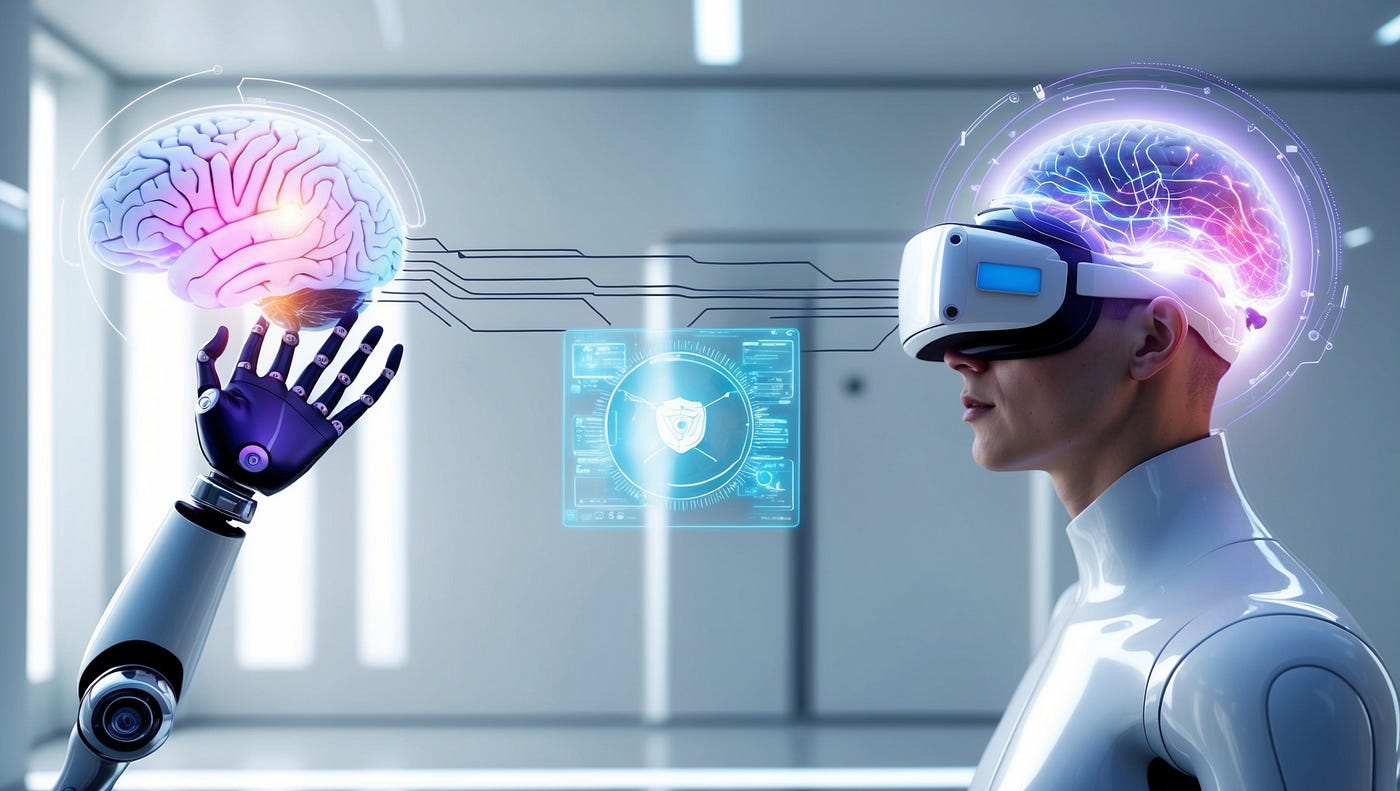
Neural interfaces are technologies that interpret brain activity and convert it into digital commands. Instead of using keyboards, controllers, or touchscreens, players could potentially interact with games using thoughts, intentions, or neural patterns.
These systems typically rely on sensors that detect electrical signals in the brain. Advanced algorithms then translate those signals into actions within a game. For example, thinking about moving forward could cause a character to walk, or focusing on an object might trigger interaction.
In modern online games, this creates a completely new layer of interaction where the boundary between player and game begins to blur.
A New Era of Immersion
One of the most significant impacts of neural interfaces is the level of immersion they offer. Traditional gaming relies on physical input devices that act as intermediaries between the player and the game world. Neural interfaces remove much of that separation.
Players no longer need to learn complex control schemes or coordinate physical movements with controllers. Instead, gameplay becomes more instinctive and direct. This creates a deeper sense of presence, where actions feel more natural and immediate.
In online environments, this immersion extends to interactions with other players, making communication and collaboration feel more seamless and intuitive.
Transforming Player Interaction
Neural interfaces have the potential to completely transform how players interact with online games. Instead of pressing buttons or issuing commands, players could control actions through intention and focus.
This could make gameplay faster and more fluid, especially in competitive environments where reaction time is critical. It also opens up possibilities for players with physical disabilities, allowing them to participate in online games using cognitive input alone.
As interaction becomes more mental than physical, the design of online games will need to adapt to entirely new forms of control and feedback.
Enhancing Multiplayer Communication
Online games rely heavily on communication and teamwork. Neural interfaces could introduce new forms of non-verbal communication between players.
Instead of typing messages or using voice chat, players might be able to share intentions or emotional states directly through neural signals. While this concept is still theoretical, early research suggests that brain-computer communication could allow for faster and more intuitive coordination.
This could dramatically improve teamwork in complex online games, where timing and synchronization are essential. Players could respond to situations almost instantly without needing to communicate through traditional methods.
Personalized Gaming Experiences
Neural interfaces could enable highly personalized gaming experiences that adapt to each player’s mental state. Games may be able to detect stress levels, focus, excitement, or fatigue and adjust gameplay accordingly.
For example, if a player becomes overwhelmed, the game might reduce difficulty or slow down pacing. If a player is highly engaged, the game could introduce more complex challenges.
This level of personalization would make online games more adaptive and responsive, ensuring that each player has an experience tailored to their cognitive and emotional condition.
Redefining Skill and Learning Curves
Traditional online games often require players to master complex control systems and mechanics. Neural interfaces could eliminate many of these barriers by allowing more intuitive control.
However, this does not mean games would become easier. Instead, the definition of skill would shift. Success might depend more on strategic thinking, decision-making, and mental focus rather than physical dexterity.
Learning curves could also change significantly. Players might learn games faster because they are interacting directly through thought rather than mastering external control devices.
Expanding Accessibility in Online Games
One of the most promising aspects of neural interface technology is its potential to improve accessibility. Players with limited mobility or physical disabilities could gain new opportunities to participate in online gaming.
By bypassing traditional input devices, neural interfaces could allow a wider range of individuals to engage with complex online games. This inclusivity could significantly expand the global gaming community.
Accessibility has always been an important focus in game development, and neural interfaces represent a major step forward in this area.
Challenges of Neural Interface Integration
Despite its potential, neural interface technology faces significant challenges before it can be widely adopted in online gaming. One of the main issues is accuracy. Interpreting brain signals reliably in real time is extremely complex.
Latency is another challenge. Online games require fast and consistent responses, and any delay in signal processing could disrupt gameplay. Ensuring stable and responsive connections is critical.
There are also concerns about safety, privacy, and ethical use of neural data. Brain signals contain highly sensitive information, and protecting this data will be essential for user trust and security.
The Role of Artificial Intelligence
Artificial intelligence plays a crucial role in making neural interfaces practical for gaming. AI systems help interpret complex neural data and convert it into meaningful in-game actions.
Machine learning models can adapt to individual players over time, improving accuracy and responsiveness. AI can also help filter noise and distinguish between intentional commands and random brain activity.
In online games, AI may also assist in balancing gameplay and ensuring smooth interactions between players using neural interfaces and those using traditional controls.
Impact on Game Design and Development
Neural interfaces will require a complete rethinking of game design. Developers will need to move away from traditional input-based mechanics and focus more on intention-based interaction.
User interfaces may become less visible, as players interact directly through thought rather than menus or buttons. Game environments may also need to respond more dynamically to subtle cognitive signals.
This shift will likely lead to new genres of online games designed specifically for neural interaction, rather than adapting existing systems.
Ethical and Privacy Considerations
The use of neural data raises important ethical questions. Brain activity is deeply personal, and ensuring that this data is protected and used responsibly is critical.
Developers and technology providers must establish strict privacy standards to prevent misuse of neural information. Players must have full control over what data is collected and how it is used.
Ethical frameworks will play a key role in determining how neural interfaces are integrated into online gaming ecosystems.
The Future of Neural Gaming
Although still in development, neural interface technology has the potential to fundamentally reshape online gaming. As hardware becomes more advanced and AI systems improve, these interfaces may become more practical and widely available.
Future online games could feature hybrid control systems that combine neural input with traditional or motion-based controls. Over time, fully neural-controlled gaming experiences may become possible.
This evolution could lead to a new era where the boundary between human cognition and digital interaction becomes increasingly seamless.
Conclusion
Neural interfaces represent one of the most revolutionary developments in the future of online gaming. By enabling direct communication between the brain and digital systems, they have the potential to transform how players interact with games, each other, and virtual environments.
While significant technical, ethical, and design challenges remain, the possibilities are extraordinary. From enhanced immersion and accessibility to personalized gameplay and new forms of communication, neural interfaces could redefine the entire gaming experience.
As this technology continues to evolve, modern online games may soon move beyond traditional controls and enter an era where thought itself becomes the primary way to play.